I’m fascinated by contradictions, contrasts and how whilst we live in a world of increasing change, there remains some fundamental principles that are as true today as they have every been. It is these foundational principles that I believe make organisations stand out and why some companies prosper and some do not.
To understand change lets look at the history of the fortune 500:

The average lifespan of an organisation in the S&P 500 in the 1960s was 75 years. Today the average is 21 and decreasing. That a lot of disruption, so what is going on? There is a lot going on behind the numbers, it isnt all companies becoming insolvent, these numbers include the large volumes of M&A as well as bankruptcy.
Let’s take a look at the increasing volume of start-ups and unicorns (unicorn is a startup company valued at over US$1 billion which is privately owned and not listed on a share market).

These organisations are no longer considered startups but are still relatively “new”. Airbnb for example was only founded in 2008 and Spotify in 2006. It tool Airbnb only 3 years to reach $1 billion valuation, that’s phenomenal growth. Growth that most of the companies in this picture and may others in the tech world have been able to realise. If you look at the AI space right now then that growth is even faster. To put this into context, it took Microsoft 11 years to reach a similar valuation. The pace of change and disruption is increasing year after year.
Back to the original question: Why are some organisations successful and some not?
Lets take a look at some more established organisations for a clue:
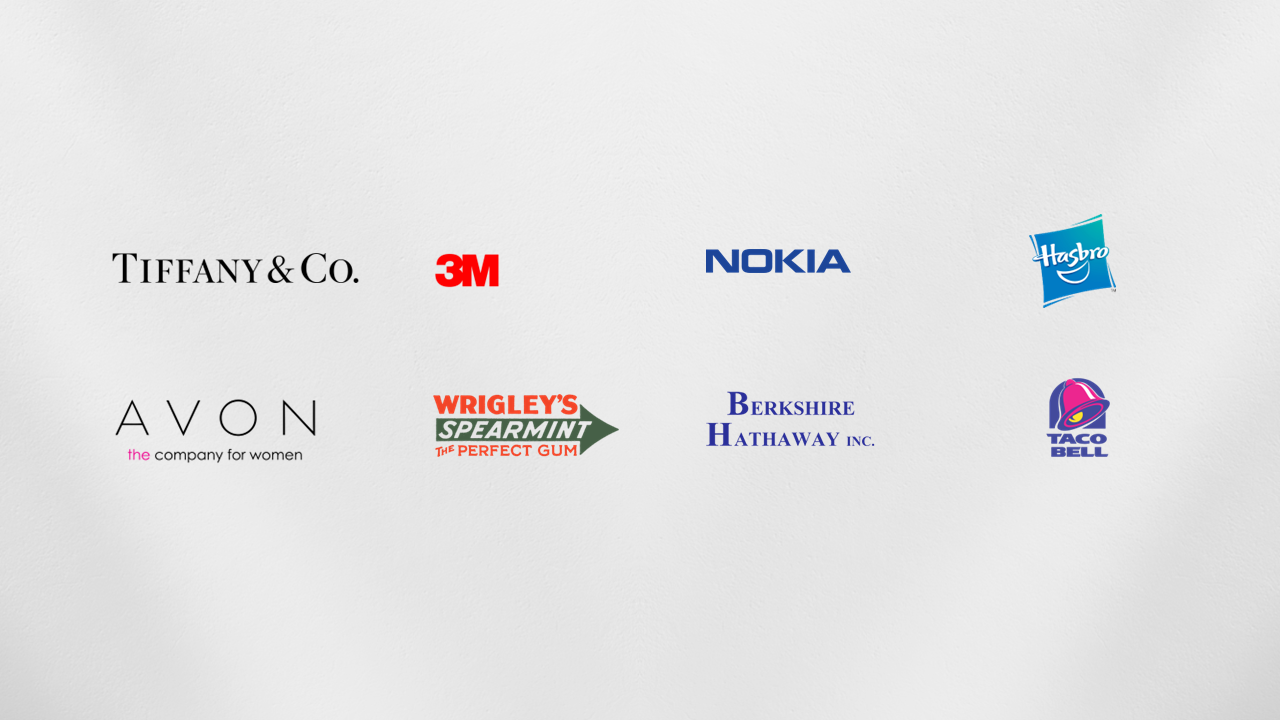
You will all know these companies too, these are all well established organisations that are very successful in their own right. But what do you think all these companies have in common?
Lets take a look at these and a few more to find out.
- Berkshire Hathaway – Originally a textile manufacturer that took off in 1839. Buffett took control in 1962, though, and by 1967 he started to move outside of textiles into insurance and other sectors.
- Taco Bell – Hot dogs and now Taco’s
- Nokia– Opened a pulp mill and started making paper. The company later bounced around a number of industries before getting serious about phones in the 1960s.
- 3M – Originally planned to sell the mineral corundum, an important ingredient in building grinding wheels, directly to manufacturers.
- Tiffany– The jewelry and silverware hot bed was originally a stationer called Tiffany, Young, and Ellis w
- Hasbro. They sold textile remnants. Their business gradually shifted into school supplies before making the leap to toys after the 1952 introduction of Mr. Potato Head.
- Colgate – The hygienic products company got its start in 1806, but it didn’t make its first toothpaste until 1873. Founder William Colgate initially manufactured soap, candles, and starch.
- Xerox – When Xerox got off the ground in 1906, it was as a maker of photographic paper and photography equipment called the Haloid Company. The company didn’t introduce what we would think of as a copier until the Xerox 914 made its debut in 1959
All of these organisations do something quite different to what they did when they were originally founded. They adapted. But how and why?
To answer this question and perhaps the best example of this is Avon.
David H. McConnell started Avon in 1886. McConnell sold books door-to-door, but to lure in female customers he offered little gifts of perfume. Before long, the perfume McConnell was giving away had become more popular than the books he was selling, so he shifted focus and founded the California Perfume Company, which later became Avon.
Avon like all the other examples had a deep and meaningful understanding of their customers. And because of this understand they were able to adapt their business model, their products and services to the needs of what the customer really valued:
The key for organisations to be successful are complex and varied but there are thee principles that I believe are foundational to success:
- The ability to understand and know your customer
- Have the culture and desire to listen, learn and adapt even if that lesson is hard to hear or takes you away from what originally made you successful
- Have the (technology) platform to make the adaptation needed at pace and scale
I hope this was useful reading. Id love to hear any other examples you have or other fundamental principles that all organisations need to be successful over the long term.


 Mark Margolis